Get Conduit Installation
Conduit installation services help property owners safely run electrical, data, or communication cables through walls, floors, or ceilings for various renovation or new construction projects.
Conduit installation is an essential part of many property upgrades and infrastructure projects, providing a safe and organized way to manage electrical wiring and communication lines. Property owners in the area may consider this work to improve safety, enhance system organization, or prepare for future technological needs. Whether planning a renovation, new construction, or system upgrade, exploring local contractor options can help ensure the project aligns with specific property requirements and standards.
For those looking to move forward with conduit installation, comparing services offered by local contractors can provide valuable insights into the available expertise and solutions. Connecting with experienced service providers in the community can support informed decision-making and help identify the best approach to meet project goals. Keep reading to learn more about how local professionals can assist with conduit installation needs.
- Residential Conduit Installation - needed when upgrading or expanding electrical systems in homes.
- Commercial Conduit Services - required for new office buildings or retail spaces requiring organized wiring pathways.
- Outdoor Conduit Installation - necessary for protecting electrical cables in outdoor environments or landscaping projects.
- Industrial Conduit Setup - essential for large-scale facilities needing durable wiring infrastructure for machinery.
- Emergency Conduit Repairs - needed when existing conduit systems are damaged or pose safety hazards.
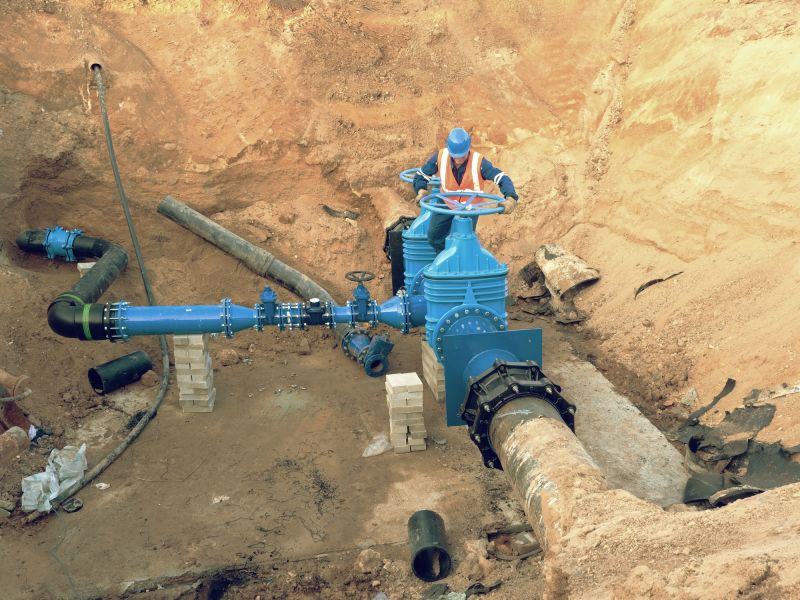
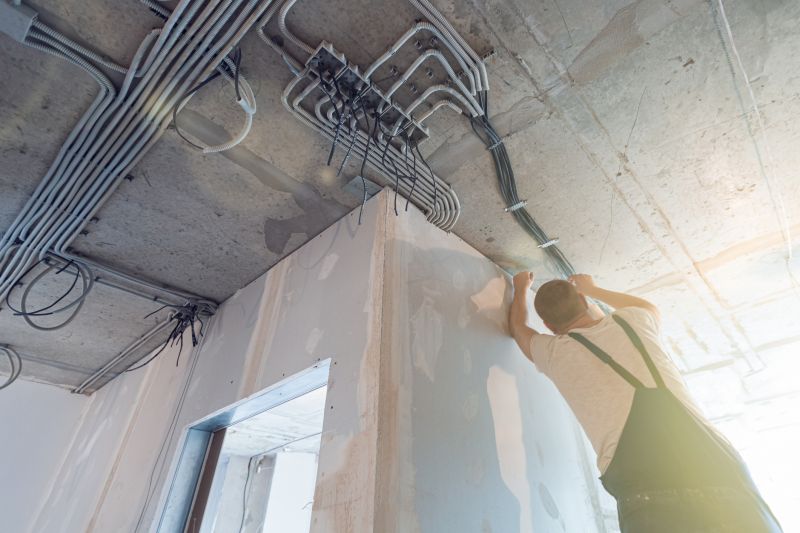
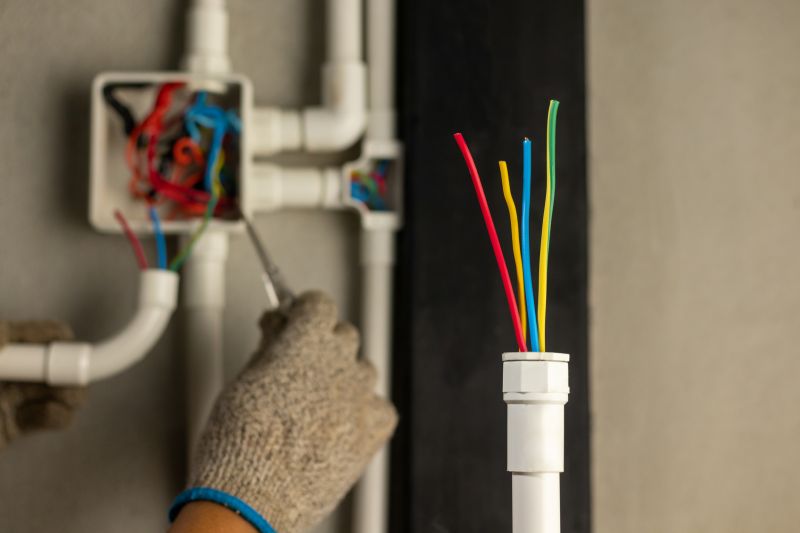
Conduit installation services involve setting up the necessary piping and wiring pathways that connect a property’s electrical system to the main utility lines. This process ensures that electrical cables are safely and securely routed through walls, ceilings, or underground areas, providing a reliable connection for power distribution throughout the property. Proper conduit installation helps protect electrical wiring from physical damage, moisture, and other environmental factors, which can prevent future issues such as shorts or electrical failures. Skilled service providers evaluate the property’s layout and requirements to determine the most effective conduit routes, ensuring compliance with safety standards and optimal functionality.
Many common electrical problems can be addressed through professional conduit installation. For example, outdated or damaged wiring that is exposed or improperly protected can pose safety risks and lead to frequent electrical issues. Installing new conduit can help resolve these problems by providing a secure and organized pathway for electrical cables, reducing the chance of accidental damage or wear over time. Conduit installation is also useful when upgrading electrical systems or adding new circuits, as it simplifies future maintenance and modifications. Whether a property has experienced frequent electrical faults or is undergoing renovation, local contractors can assess the situation and recommend the appropriate conduit solutions.
Conduit installation services are often sought for a variety of property types, including residential homes, multi-family buildings, and commercial properties. Homeowners may need conduit work when wiring is exposed or when planning to expand their electrical system. Commercial property owners often require conduit installation to support new equipment, office renovations, or safety upgrades. Multi-unit buildings, such as apartments or condos, may also benefit from conduit services to ensure consistent and safe electrical connections across units. These services are suitable for any property where electrical wiring needs to be protected, organized, or expanded, providing a reliable foundation for safe electrical operation.
Hiring local service providers for conduit installation ensures that experienced professionals handle the work, tailored to the specific needs of each property. These contractors evaluate the existing electrical infrastructure, identify potential issues, and recommend the best conduit solutions for long-term safety and performance. Whether installing new conduit during construction, upgrading an existing system, or repairing damaged wiring pathways, local pros can deliver practical, code-compliant results. Contacting a trusted contractor can help property owners address electrical concerns effectively, ensuring their electrical systems are safe, organized, and capable of supporting their current and future needs.
The overview below groups typical Conduit Installation projects into broad ranges so you can see how smaller, mid-sized, and larger jobs often compare in your area.
In many markets, a large share of routine jobs stays in the lower and middle ranges, while only a smaller percentage of projects moves into the highest bands when the work is more complex or site conditions are harder than average.
Smaller Repairs - Typical costs for routine conduit installation or repairs often range from $250 to $600. Many minor projects fall within this band, covering tasks like replacing a section of conduit or fixing minor damages.
Moderate Projects - Medium-sized installations or upgrades generally cost between $1,000 and $3,000. Local contractors often handle these projects, which can include installing new conduit runs or upgrading existing systems.
Full Replacement - Replacing an entire conduit system or performing extensive upgrades can range from $4,000 to $8,000 or more. These larger projects are less common but are handled by experienced service providers for complex needs.
Complex or Large-Scale Jobs - Very large or intricate conduit installations, such as in commercial buildings, can exceed $10,000. Such projects are less frequent and typically involve specialized contractors for comprehensive system overhauls.
Actual totals will depend on details like access to the work area, the scope of the project, and the materials selected, so use these as general starting points rather than exact figures.
Electrical Wiring Projects - electricians often install conduit systems to protect and organize electrical wiring in various buildings and structures.
Commercial Building Installations - contractors working on commercial spaces frequently require conduit installation to ensure safe and code-compliant electrical systems.
Data and Communications Cabling - specialists in data cabling use conduit installation skills to route and safeguard network and communication lines.
Lighting Fixture Installations - installing complex lighting systems often involves conduit planning and installation to conceal wiring and ensure safety.
Security System Wiring - security system installers utilize conduit services to run wires securely through walls and ceilings for cameras and sensors.
Industrial Electrical Projects - industrial contractors frequently require conduit installation for heavy-duty wiring in factories and manufacturing plants.
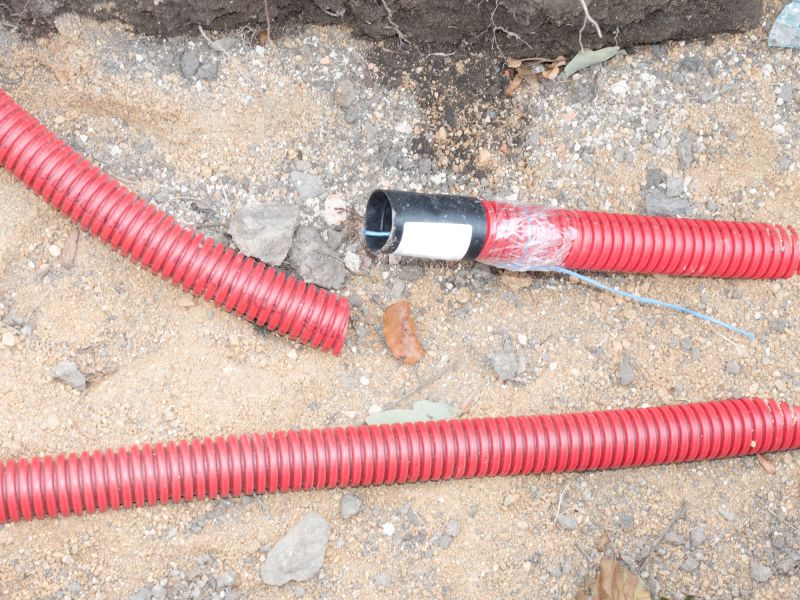
When comparing service providers for conduit installation, it’s important to consider their experience with similar projects. Homeowners should look for local contractors who have a proven track record of handling conduit work comparable to the scope and complexity of the project at hand. A contractor’s familiarity with local building codes and common challenges can also contribute to a smoother installation process. Asking about the number of similar projects completed can help gauge their expertise and confidence in managing conduit systems effectively.
Clear, written expectations are essential for ensuring that both parties understand the scope of work, materials to be used, and the overall process. Homeowners should seek out providers who are willing to provide detailed estimates or proposals that outline the work involved. Having this information in writing helps prevent misunderstandings and provides a reference point throughout the project. Good communication from the start fosters transparency and helps ensure that the project proceeds as planned.
Reputable references and effective communication are key indicators of a reliable local contractor. Homeowners are encouraged to ask service providers for references from past clients with similar projects. Contacting these references can offer insights into the contractor’s professionalism, quality of work, and ability to meet expectations. Additionally, choosing a provider who maintains open and prompt communication can help address questions or concerns quickly, creating a more positive experience overall. It’s important to remember that the site introduces homeowners to local options rather than performing the work itself, so taking the time to evaluate these factors can lead to a successful conduit installation.
Property owners use Conduit Installation services for practical projects around their homes and businesses. This guide focuses on everyday jobs and straightforward project options.
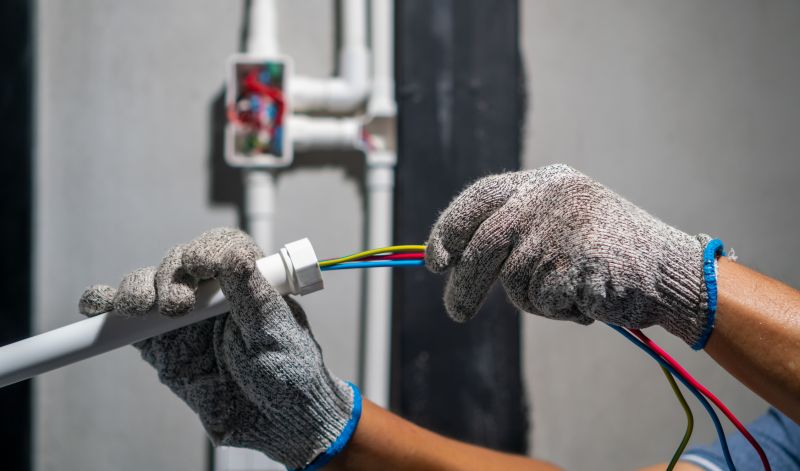
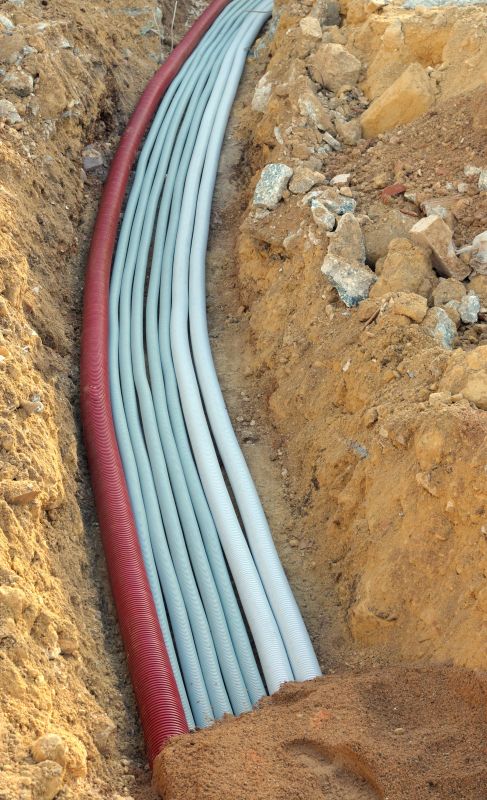
Conduit installation services are often needed when property owners are upgrading their electrical systems or making renovations that require new wiring pathways. Common situations include adding new outlets, installing appliances, or expanding existing electrical setups to support modern technology. Local contractors can handle these projects efficiently, ensuring that the conduit is properly installed to protect wiring and meet the demands of everyday household or commercial needs.
Property owners in the area might also seek conduit installation when replacing outdated or damaged wiring infrastructure. Whether addressing safety concerns or preparing a property for future upgrades, local service providers can assist with professional installation that helps maintain the integrity of electrical systems. These projects are essential for ensuring reliable power distribution and can be a straightforward solution for many common electrical updates.
What is conduit installation? Conduit installation involves setting up protective tubing to route electrical wiring safely through a building or property.
Why should I consider professional conduit installation? Hiring local contractors ensures the conduit is installed correctly and safely, complying with building standards.
What types of conduit are available for installation? Common types include electrical metallic tubing (EMT), PVC conduit, and flexible conduit, depending on the application.
How do I find qualified service providers for conduit installation? This site helps connect with local contractors experienced in conduit setup for residential or commercial projects.
What should I ask a conduit installation service provider? Inquire about their experience, the types of conduit they install, and their approach to ensuring proper routing and safety.
Conduit Installation for New Property Connections - Local contractors can install conduits to bring electrical or communication services into new or renovated properties.
Upgrading Existing Conduit Systems - Property owners can improve or replace outdated conduits to support modern wiring needs or enhance safety.
Running Conduits for Outdoor Projects - Service providers can install conduits to protect wiring for outdoor lighting, irrigation, or security systems.
Planning for Future Expansion - Conduit installation can facilitate future upgrades or additions by providing a protected pathway for cables.
If you are thinking about Conduit Installation for a property, this guide is meant to help you understand the work, the typical project types, and how different options might fit your plans.
When you are ready, you can use the quote form on this page to share a few details about your project. From there, local pros can review the basics and respond with options that match what you have in mind.